
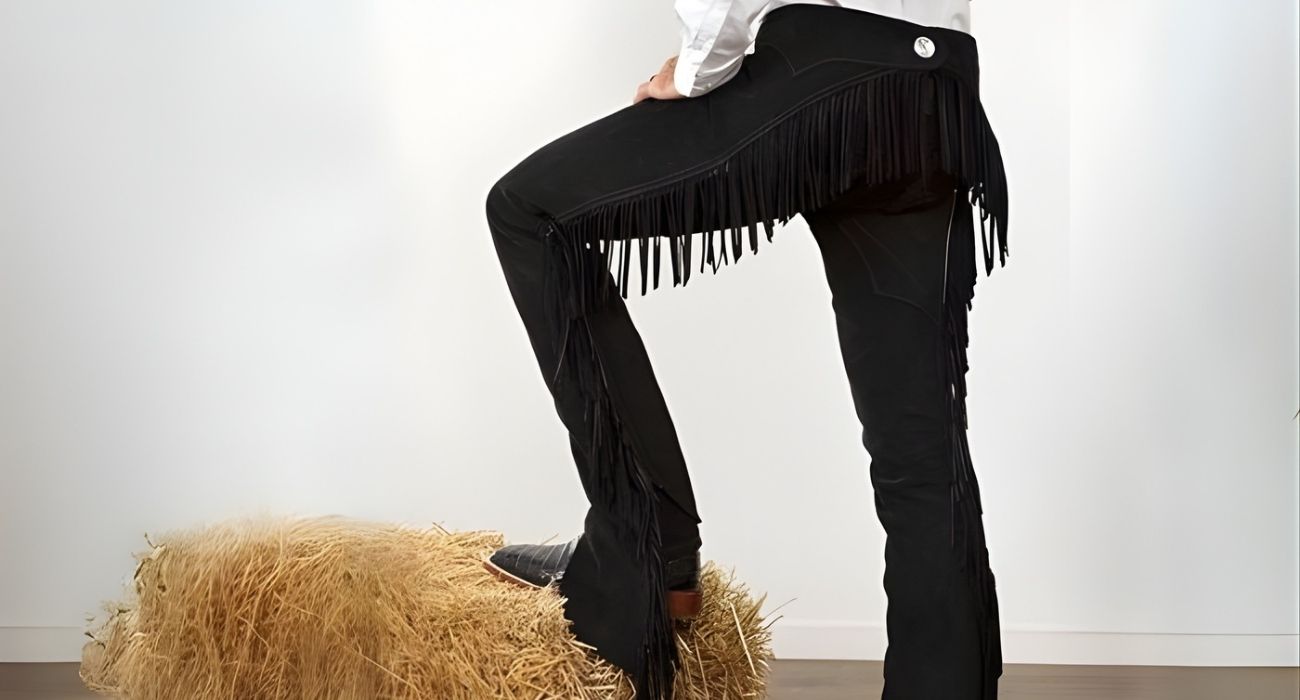
Western riding chaps are more than a classic piece of cowboy style. They serve as a practical layer of protection, helping riders stay safe, comfortable, and efficient in the saddle. Whether you ride for work, competition, or leisure, the right pair of Western Riding Chaps can significantly improve performance and confidence.
This guide explains everything you need to know before buying your next pair of western riding chaps—from materials and measurements to riding disciplines and proper maintenance.
What Western Riding Chaps Do
Chaps protect a rider’s legs from brush, friction, weather, and saddle wear. They add grip, stabilize leg position, and provide a secure feel during stops, turns, and extended rides.
A good pair also shields your pants from tears and dirt. For riders who spend long hours on the trail or in the arena, this protection quickly becomes essential.
Different Types of Western Riding Chaps
Western chaps come in several designs. Each offers unique benefits based on the riding discipline and conditions.
- Shotgun Chaps
Shotgun chaps cover the full leg with a snug, straight fit. They fasten with zippers running from thigh to ankle.
They offer excellent wind and brush protection, making them ideal for ranch work and outdoor riding.
- Batwing Chaps
Batwings feature a wide, flared leg with snaps instead of zippers. This looser style allows airflow and flexibility, which helps when mounting, roping, or moving cattle. They are a popular choice for rodeo competitors and working cowboys.
- Chinks
Chinks extend just below the knee and have a wider, open lower leg. They offer more ventilation and freedom of movement than full-length styles. Trail riders and warm-weather riders appreciate their comfort and practicality.
- Show Chaps
Show chaps are elegant, form-fitting, and designed for presentation. They typically feature high-quality suede leather and a polished finish. Competitive riders choose them for Western pleasure, horsemanship, and other rail classes.
Choosing the Right Material
The material of your chaps determines durability, comfort, and performance. Choosing the right type helps you ride safely and stay comfortable in different conditions. Most serious riders prefer leather for its strength and longevity, while other options serve specific needs. Key types include:
- Leather Chaps
Leather remains the gold standard because it molds to your body and enhances grip against the saddle. It handles friction well and resists tears better than synthetic materials.Look for high-quality hides like split leather or full-grain leather for the best performance. - Suede
Suede is soft, flexible, and commonly used in show chaps. It delivers a smooth, elegant appearance in the arena. However, it requires more careful cleaning and does not repel moisture as well as tougher leathers. - Oil-Tanned Leather
Oil-tanned hides resist water, stains, and heavy use. They are excellent for ranch work or long trail rides where weather conditions change quickly.
How to Measure Yourself for Chaps
Getting the right fit is essential for comfort, safety, and performance while riding. Poorly fitted chaps can chafe, restrict movement, or shift during riding. Always measure over the clothing and boots you plan to wear. Accurate measurements ensure the chaps protect your legs properly and provide a secure, comfortable fit. If you are between sizes, it’s better to go slightly larger, as leather can be adjusted but not easily enlarged.
Here are the key measurements to take:
- Waist
Measure around your natural waist or where your belt normally sits.
Always measure over the clothing you plan to ride in. - Thigh
Wrap the measuring tape around the fullest part of the thigh.
This ensures the chaps will fasten comfortably without squeezing. - Inseam
Measure from the inner crotch seam to the ankle or desired chap length.
Full-length chaps should cover the top of your boot without dragging. - Outseam (for show chaps)
Measure from your waist to your heel.
Show chaps are intentionally long to create a clean, elongated profile in the saddle. - Rise
This determines how high the front of the chaps will ride.
Correct rise keeps the chaps secure and prevents shifting during movement.
When in doubt, choose slightly larger measurements. Leather chaps can be adjusted or trimmed, but they cannot be easily made bigger.
Features to Look For
When choosing western riding chaps, several design features impact comfort, durability, and overall performance. Paying attention to these details ensures your chaps last longer, feel better, and function properly in the saddle. Quality materials and construction make a noticeable difference during long rides or heavy work.
- Sturdy Hardware
Look for heavy-duty zippers, snaps, or buckles that won’t fail under strain.
Cheap hardware is often the first part to break. - Quality Stitching
Double-stitched seams help the chaps withstand stretching and everyday wear.
Loose or uneven threads are signs of poor workmanship. - Adjustable Belts
A good waist belt or yoke keeps the chaps in place without digging into your hips. - Leg Fit
The leg should fit snugly without restricting movement.
Too much looseness can cause the leather to twist or slap while you ride. - Fringe Options
Fringe adds classic Western flair and is common on batwing chaps and chinks.
While mostly decorative, some riders enjoy the added motion and style.
Comfort Considerations
Comfort is a key factor that riders often overlook, yet it greatly affects performance during long rides. The right chaps should balance protection, flexibility, and breathability to keep you comfortable in different conditions. Consider the weight, ventilation, and flexibility of the leather when choosing your pair. High-quality leather will soften over time, molding to your body for improved comfort, while low-grade materials may remain stiff and restrictive.
- Weight
Heavier chaps offer more protection but may feel warm.
Lighter designs are better for summer riding or short practice sessions. - Ventilation
Chinks provide excellent airflow, while suede and oil-tanned leather hold heat more efficiently.
Choose based on climate and riding duration. - Flexibility
High-quality leather softens with use, becoming more flexible over time.
Avoid stiff, low-grade materials that stay rigid and uncomfortable.
Choosing Chaps for Different Riding Purposes
Your riding style and activities determine the type of chaps that will work best. Selecting the right style ensures comfort, safety, and optimal performance for your specific needs. Each type of riding has unique demands, so matching your chaps to your activity is essential.
- Trail Riding
Comfort and weather protection matter most.
Shotgun chaps or oil-tanned Leather Chaps withstand brush, dirt, and long hours outside. - Ranch Work
Choose batwing chaps for flexibility and ventilation.
They allow easy movement when dismounting, roping, or working cattle. - Western Showing
Suede show chaps are the standard for rail classes and Western pleasure.
Look for a sleek, form-fitting design that matches your show attire. - Reining or Performance Riding
Full-length leather chaps help maintain leg stability and provide consistent saddle grip.
A secure fit is essential for spins, slides, and precise cues.
Common Mistakes to Avoid
Many riders make simple errors when selecting or using chaps, which can lead to discomfort, damage, or reduced performance. Being aware of these pitfalls helps you choose a pair that lasts and performs well.
- Buying the Wrong Fit
Ill-fitting chaps can rub, slide, or restrict movement.
Always measure carefully and consult size charts. - Choosing Style Over Function
Show chaps look elegant but may not hold up to ranch work.
Match the design to your riding needs. - Neglecting Maintenance
Leather lasts longer when cared for.
Skipping conditioning leads to brittle, cracked material. - Ignoring Hardware Quality
Weak snaps or zippers lead to failure in the arena or on the trail.
Always check hardware before purchase.
Budget Considerations
The cost of western riding chaps varies based on leather quality, craftsmanship, and design. Understanding your needs and budget helps you make a smart investment.
- Entry-Level
Affordable options use thinner leather or synthetic blends.
They work for occasional riders but may wear out quickly. - Mid-Range
These chaps offer a balance of durability and comfort.
Most regular riders find them reliable for everyday use. - High-End
Premium leather chaps, including custom-made designs, provide superior fit and long-term performance.
They are ideal for professionals or competitors who demand the best.
How to Care for Western Riding Chaps
Proper care ensures your chaps remain durable, comfortable, and visually appealing for years. Regular maintenance prevents damage from dirt, moisture, and daily wear.
- Cleaning
Use a gentle leather cleaner or a damp cloth to remove dirt after each ride.
Avoid harsh soaps that can dry out the leather. - Conditioning
Apply leather conditioner regularly to prevent cracking.
Condition more often in dry climates or after riding in dusty conditions. - Storage
Hang chaps in a cool, dry place.
Folding them can cause creases that are difficult to remove. - Water Exposure
If your leather chaps get wet, let them dry naturally.
Never use direct heat, as it damages the fibers.
Final Thoughts
Selecting the right western riding chaps requires understanding your riding style, environment, and comfort needs. Quality leather, accurate measurements, and the right design make a significant difference in performance and safety. With proper care, a well-chosen pair will serve you reliably for years, whether you’re showing, training, working cattle, or exploring the trails.


About author



Recent Comments