

Western vests have become an iconic part of both classic Americana and modern leather fashion. They carry a long history rooted in utility, craftsmanship, and rugged outdoor living. Today, they’re worn not only for function but also for style, individuality, and cultural expression.
This guide breaks down everything you need to know about western vest—their origins, variations, materials, benefits, and expert styling advice—especially for those who appreciate high-quality leather clothing.
A Brief History of the Western Vest
The western vest originated as practical gear for ranchers, cowboys, and frontiersmen. Early American riders needed a layer that offered warmth without restricting movement. The vest filled that role perfectly, sitting close to the body while allowing full arm mobility.
Leather and durable cloth were used because they resisted wind, abrasion, and wear from outdoor work. Over time, the vest became a key piece of cowboy identity, later spreading into rodeo culture, western films, and eventually mainstream fashion.
Why the Western Vest Became Iconic
Western vests stand out because they blend ruggedness with clean, structured style. The cut is simple and timeless, giving them the versatility to look good in both casual and elevated outfits. Their shape also enhances the upper body, creating a strong silhouette without feeling bulky.
The details—like yokes, stitching patterns, and metal buttons—add character without overwhelming the design. This balance of function and visual appeal is why the western vest remains a staple today.
Common Materials Used in Western Vests
Western vests are crafted from several durable materials, each offering its own look, feel, and purpose. The right material can impact comfort, appearance, and long-term wear. Below are the most popular options and what makes each one unique.
- Leather
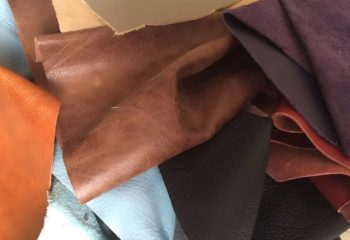
Leather is the most traditional material for western vests. It’s tough, wind-resistant, and gains character as it ages. Quality leather clothing develops a natural patina that makes each vest unique. Cowhide is the most common due to its durability. Some premium vests use buffalo, bison, or goatskin for a softer feel or distinctive grain. - Suede
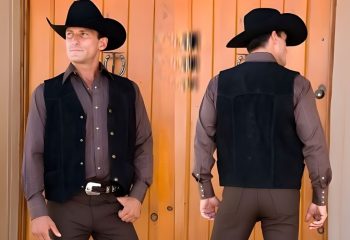
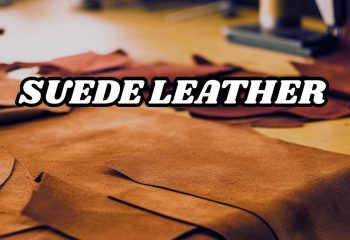
Suede provides a smooth, velvety feel that gives the vest a more polished appearance. It’s lighter and more flexible than traditional leather, making it ideal for dressier western outfits. The soft texture adds comfort without losing the western character. - Wool
Wool vests deliver warmth and a rugged, traditional look. They’re great for colder weather because they insulate well without adding bulk. Many riders and outdoor workers use wool vests as reliable layering pieces in winter conditions.
Types of Western Vests
Western vests come in several styles, each designed for a specific look, purpose, or level of formality. From classic leather options to modern fashion-focused designs, every type offers its own character. Understanding these variations helps you choose the vest that fits your personal style and needs.
- Classic Leather Western Vest
This timeless style is made from quality leather and offers a clean, structured look. It pairs easily with most western outfits, making it one of the most versatile options. The close fit enhances the silhouette while keeping the overall style rugged and traditional. - Fringe Western Vest
Fringe vests draw inspiration from Native American design and add movement and visual appeal. They’re often worn for rodeos, festivals, and themed events where bold western expression is encouraged. The flowing fringe creates a standout, dynamic look. - Suede Western Vest
Suede vests have a soft, refined texture that brings a slightly more polished edge to western fashion. They work well for semi-formal outfits or occasions where you want a cleaner, smoother appearance. Their comfortable feel and elegant finish make them a popular choice. - Rugged Work Vest
These vests are built to handle tough outdoor use and heavy activity. They feature strong stitching, durable leather, and a functional cut suitable for riding or ranch work. Their focus is on practicality, protection, and long-lasting wear. - Fashion-Forward Western Vest
Modern versions often include slim silhouettes, minimalist stitching, or bold creative details. They’re ideal for those who want a fresh take on the western look without losing its roots. These vests blend tradition with contemporary style for a unique, updated appearance.
How to Style a Western Vest
Styling a western vest depends on the look you want to achieve, whether casual, traditional, or modern. Each outfit combination highlights a different aspect of western fashion. These approaches help you wear the vest confidently in both everyday and special settings.
- Casual Everyday Look
A simple leather vest paired with jeans and a T-shirt or flannel creates an easy, relaxed outfit. This combination keeps the look authentic without feeling overdone. It’s ideal for daily wear, casual outings, or laid-back weekends. - Classic Cowboy Look
Layering a western vest over a plaid or snap-button shirt delivers a traditional cowboy appearance. Boot-cut jeans and a belt buckle complete the outfit with iconic western charm. This style works perfectly for rodeos, gatherings, or country events. - Modern Western Outfit
A fitted vest worn over a crisp dress shirt offers a cleaner, updated take on western style. Pair it with dark denim or tailored pants for a refined look. This outfit is great for dinners, concerts, or casual workplaces where you want a polished finish. - Rugged Outdoor Outfit
A heavier vest works well for outdoor activities that require warmth and mobility. Combine it with a thermal shirt or hoodie for comfort in cooler weather. This setup is practical for riding, hiking, and evenings spent outside. - Festival or Rodeo Look
Fringe or decorated vests add flair and movement, making them perfect for events where you want to stand out. Suede versions or embellished designs bring extra personality while staying true to western roots. They’re great for festivals, themed parties, and rodeo weekends.
Typical Features of a Western Vest
Most western vests share a few signature details that define their classic look. These features combine practicality with traditional styling, making the vest both functional and visually distinctive. Understanding these elements helps you choose a vest that matches your personal style and needs.
- Front Button or Snap Closure
Western vests typically use snaps or buttons for a clean, traditional front. This closure makes layering easy and helps the vest sit neatly over shirts. It also adds a structured, authentic western appearance. - Pointed or Curved Yokes
Yokes are decorative stitched panels that enhance the vest’s shape and give it a cowboy-inspired design. They add subtle style without affecting comfort. This feature is one of the most recognizable elements of western clothing. - V-Shaped Hem
Many western vests feature a slight V-shaped cut at the waist for a sharper, more tailored finish. This design helps elongate the torso and improves the overall fit. It also adds a refined touch to the vest’s silhouette. - Decorative Stitching
Stitch patterns highlight craftsmanship and make the vest visually appealing. These designs can be simple, bold, or intricate, depending on the style. They add personality without overwhelming the overall look. - Pockets
Western vests commonly include front pockets for convenience and practicality. Options range from welt pockets to flap or hidden pockets. These small storage spaces enhance the vest’s usefulness while keeping the design traditional.
Why Leather Western Vests Are Highly Valued
Leather vests aren’t just stylish—they’re functional and long-lasting. A well-constructed leather western vest can last decades with proper care. Leather naturally adapts to your body, making the vest more comfortable over time.
It also provides protection from wind, dirt, and mild abrasions, which is why it became essential gear for riders. For anyone who appreciates premium leather clothing, a leather western vest is one of the most versatile pieces you can own.
How to Choose the Right Western Vest
Choosing the right western vest depends on how it fits, what it’s made of, and where you plan to wear it. Each element affects comfort, appearance, and overall style. Understanding these factors helps you select a vest that looks great and performs well for your needs.
- Fit
A good western vest should sit smoothly across the chest and waist without feeling tight. It must allow free shoulder and arm movement for comfort. The length usually ends near the belt line for a balanced, clean look. - Material
Leather offers classic style and long-lasting durability, making it the go-to choice for most riders. Suede provides a softer, more polished feel for dressier occasions. Wool or canvas works well for casual outfits or seasonal use, especially in colder weather. - Color
Traditional colors like brown and black offer the most versatility for everyday outfits. Shades like tan, chocolate, or distressed finishes add vintage charm. Bolder colors are ideal when you want to make a modern or themed fashion statement. - Style Details
Elements such as yokes, fringe, stitching, or metal snaps give each vest its unique personality. These details can make your vest more eye-catching or more subtle. Choose accents that match your preferred level of boldness. - Purpose
The best vest depends on where you’ll wear it. For riding, ranch work, or outdoor activity, rugged leather provides durability and protection. For fashion, events, or casual outings, a slim-cut or suede vest offers a stylish and comfortable option.
Why Western Vests Remain Popular Today
Western vests continue to appeal because they combine utility, tradition, and style. They work in almost any wardrobe, from rugged outdoor settings to modern casual fashion. They provide structure, personality, and a connection to American history.
For leather enthusiasts, a well-made western vest is more than clothing—it’s a long-term investment in craftsmanship and everyday style.
Caring for Your Western Vest
Proper care keeps your western vest looking sharp and helps it last for many years. Each material requires a slightly different approach, especially when dealing with leather or suede. Following a few simple maintenance habits protects the vest’s shape, texture, and overall quality.
- Keep leather vests away from prolonged moisture and direct sunlight.
- Use a leather conditioner every few months to prevent cracking.
- Hang the vest on a proper hanger to maintain its shape.
- For suede, use a suede brush to restore texture.
- For deeper cleaning, rely on a professional who specializes in leather clothing.
Conclusion
A western vest offers a blend of heritage, function, and timeless fashion. Whether you’re drawn to its cowboy roots, its rugged durability, or its modern styling potential, it remains one of the most versatile pieces in the world of leather clothing. From classic leather designs to contemporary interpretations, there’s a western vest for every personality, purpose, and wardrobe.
If you invest in quality and care for it properly, your vest can serve you for decades—developing character, comfort, and style unique to you.

About author

Recent Comments